Memoirs of GD Fell
Main menu
- Title
- Preface
- The Early Years Carlisle
- The War Years
- Post War The Navy
- Beaumanor
- Cyprus
- Loughborough
- Kantara
- Shepshed
- Cheadle
- The Coup
- Repatriation
- A New Chapter
- Glossary
- Appendix A Direction Finding
- Appendix B Nick's Story
Page 43
Ayios Nikolaos was also the location of 2 Wireless Regiment, where I was to work. The regiment consisted of three squadrons and the civilian wing. The civilian wing consisted mainly of colleagues from Beaumanor so it was really home from home going to work although the work itself differed. We were also offered membership, or to be more correct, honorary membership of the sergeant’s and warrant officers mess which meant that we could take part in any of the social activities put on by the mess. I became a member of the dart’s team and also their football team. There was also regular bingo, or to give it its proper name tombola sessions, and occasional dances.
To get into Famagusta there was a regular bus service although I’m not sure of the frequency of the buses. This we used as I didn’t have a car
and at this stage had no intention of getting one, until, the Greek Cypriots who had been asking for Cyprus to become an independent state and having the request repeatedly refused decided to take violent action to achieve this. The violence started with student rioting and the riots in Famagusta all seemed to begin at the bus terminus. As a result of this I decided that it was advisable to buy a car so that we
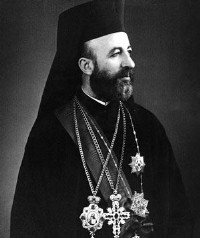
were not relying on the bus. The rioting incidentally escalated into a full armed struggle between the British forces and the freedom movement called EOKA, with the Greek Archbishop Makarios as its leader.
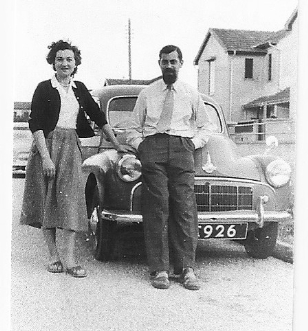
At the end of 1955, I bought a Morris Minor, second hand from a colleague who wanted to upgrade his car. The only snag was that I didn’t have a driving licence, so I had to practice driving either on the army premises or with a competent driver by my side. Most of my driving practice was done on the barrack square when it wasn’t being used for regimental duties. I read up on the Highway Code and practiced hand signals as they were compulsory in driving tests at that time, even though you had indicators on the car.
On 15th February 1956, I took my driving test in Famagusta, the examiner was a Greek police inspector. When we set off he started giving me instructions in Greek so I stopped the car and explained that I didn’t speak Greek and from then on English was spoken. Passing by the market, an old lady stepped off the pavement just in front of
me and started walking across the road, I hit the brake hard and stalled the engine. The examiner told me to switch off the engine and I thought, “That’s it, failed” but no, he got out of the car, got hold of the woman and frogmarched her back to the pavement shouting at her in Greek all the time, and gesticulating wildly. When he got back in the car he said, “These women have no road sense.” We then carried on with me having passed my emergency stop.